A city walk before an evening at a casino resort gives the day a different pace. You can look at shop windows, find somewhere to sit and notice a neighbourhood beyond the entrance. For a 2026 trip, begin with the time you want to be back, then choose an outing that fits. This is a planning method, not a claim about particular streets or attractions near Liberty Casino Hotel.
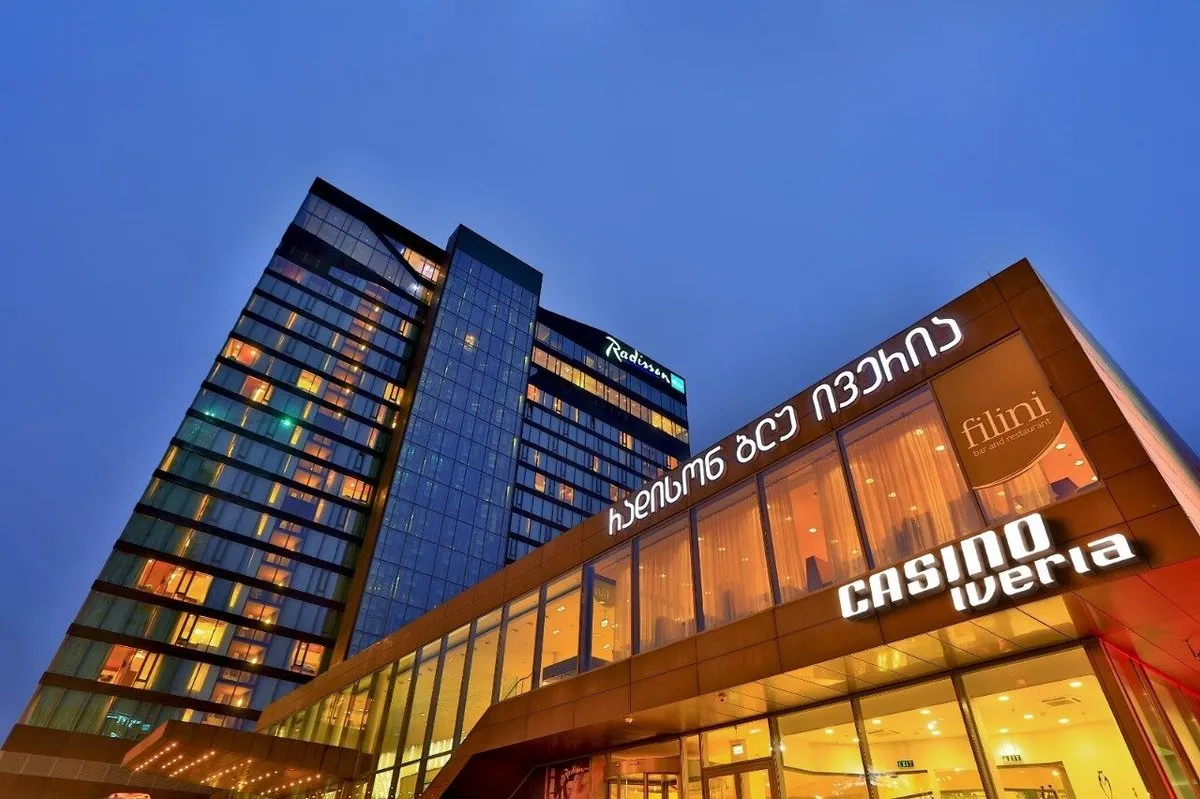
Choose a route with an easy return
Pick one reason to go out rather than a string of places to tick off. A bookshop browse and a drink can make a complete afternoon. Look at where crossings, steps and entrances actually sit; a destination across a broad road may take longer to reach than its map distance suggests. Ask about access when it matters to your party, and keep a shorter version of the route in mind.
Use a recognisable landmark as a turning point, but save the hotel entrance itself as well. Large buildings may have several doors, and the entrance you leave through may differ from the one shown by a map pin. A street name and a note about the correct door are more useful than remembering a bright sign. Share those details with anyone who might return separately.
Before leaving the room
- Save the entrance address where you can read it without a signal.
- Check the weather and carry a layer suited to the return journey.
- Agree on a turning point and a time to check how everyone feels.
Allow time beyond the map estimate
A walking estimate measures movement better than it measures an afternoon. Waiting at crossings, looking through a window and finding a seat all take time. Work backwards from dinner or another fixed booking, leaving room to wash and change first. If the available gap already feels tight, make the city walk smaller instead of expecting everyone to move at the same brisk pace.
For companions with different interests, agree on the shared part before separating. One person may want another street while another wants a quiet room. Neither choice needs to become a debate about making the most of the trip. A meeting place with somewhere to sit is easier than a vague promise to find each other later. Keep the plan simple enough to explain in one message.
Before setting out, agree that a pause does not need a special reason. Someone may want to take a photograph, adjust a shoe or simply watch the street for a moment. Leave enough flexibility for those small stops. If the outing starts to feel hurried, drop the next stop and enjoy the route already under your feet.
| Route | Useful feature | Question to ask |
|---|---|---|
| Out and back | Familiar return | Where will we turn? |
| Short loop | Changing scenery | Can we shorten it? |
A loop can be pleasant when the second half is as clear as the first. It is less helpful if it commits you to another long stretch once someone is tired. An out-and-back route makes that decision easier, though a familiar path can still look different after dark. Treat the comparison as a choice about comfort, not a contest to cover the greatest distance before the evening begins.
Make returning part of the outing
- Check the time at the agreed turning point.
- Choose the return route while everyone is still comfortable.
- Send one clear update if the meeting arrangement changes.
Back at the hotel, leave a quiet interval before deciding what comes next. A drink of water, dry shoes and a seat can change how an evening feels. The article on suite layouts and sleep considers that room time, while a first table visit starts with an equally unhurried approach. There is no need to turn a late return into a race to the gaming floor.
Author’s opinion
I would choose a city walk that leaves me curious rather than exhausted. For me, one good stop and an easy return are worth more than a crowded route. I also like to leave the next decision open: an enjoyable afternoon does not create an obligation to gamble that evening. The best plan gives everyone enough information to return comfortably and enough freedom to enjoy the rest of the stay differently.